TW: Sexual Assault & Harassment
Feeling Safe
One thing I’ve learned (though I’m not surprised) is that a lot of men hear “safe” and think it solely means,“Would this person rape or assault someone?”
That’s not the definition of safety. That’s the bare minimum. Safety isn’t just a vibe; it’s a pattern of choices.
Being safe is bigger than “will he roofie my drink if I look away?”
Safety is emotional, physical, and intellectual. It’s whether someone has integrity. It’s whether they respect boundaries. It’s whether they can hear “no” without punishing you for it. It’s whether they can disagree without humiliating you. It’s whether they can be corrected without getting defensive, cruel, or retaliatory. It whether they will own the harm they have caused.
And it’s not just about what someone personally doesn’t do.
True safety is active. It’s intervention. It’s accountability. It’s what someone does when they see harm happening near them, whether they shut it down or excuse it. Whether they let “jokes” land. Whether they let bigotry breathe. Whether they allow harassment to become “banter” and cruelty to become “culture.”
Performative Allyship is a Waste of Everyone’s Time
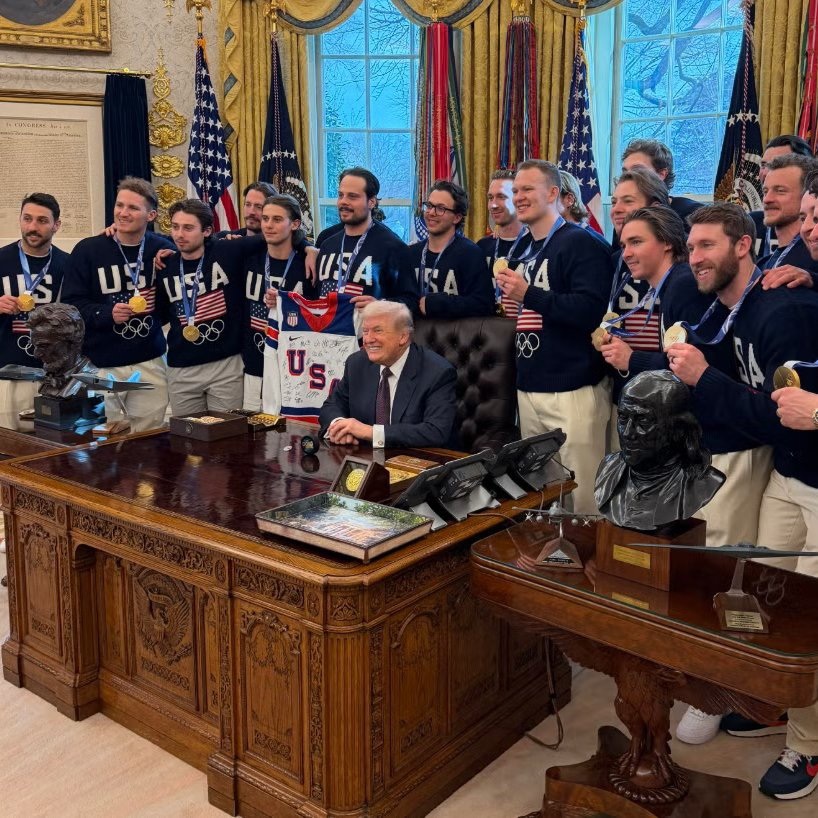
A lot of women (and men) are frustrated, disappointed, and upset with the U.S. Men’s Hockey team because they had multiple chances to prove their previous “allyship” wasn’t just performative.
You can’t talk about supporting women and then happily shake hands, joke around, and pose for photos with a man whose “brand” is rooted in misogyny and sexual-assault “jokes,” and expect people to treat your earlier statements as meaningful.
You can’t talk about supporting the LGBTQ+ community (posting Pride content, praising inclusion nights) then celebrate alongside a political administration that has repeatedly targeted LGBTQ+ rights and protections and expect people not to point out the contradiction.
You can’t claim to be “above politics” while choosing a very specific political stage, surrounded by very specific messaging, and then act surprised when people hold you to the implications of that choice.
That’s what people mean when they say “performative.” It’s not that every athlete has to become an activist. It’s that you can’t wear allyship like a piece of merch and then be shocked when your actions cancel out your words.
The Joke
Trump made a joke about the Women’s Hockey team, and instead of shutting it down, the Men’s team laughed.
They slapped each other on the back. They enjoyed their moment of “locker room banter,” as if the women weren’t in the middle of a historic run. As if the women’s team hadn’t broken records. As if their goalie hadn’t put up an absurd save percentage, allowing only two goals on ninety-nine shots.
Over the past few days, I’ve seen people wave it off with, “He didn’t mean it like that.”
Please be serious.
Meaning isn’t magic. Impact doesn’t disappear because someone claims it was “just a joke.” A room full of powerful men laughing at women’s achievements is not harmless. It teaches everyone watching exactly how women’s accomplishments are treated: as something to mock, minimize, or turn into a punchline.
And when nobody in the room challenges it, that silence becomes an endorsement.
New Fans Get a Crash Course in Hockey Culture
Recently, hockey has pulled in a wave of new fans with promises of growth, inclusion, and a kinder culture. People were excited to believe it. People wanted it to be true.
Then, in one widely seen moment, a familiar pattern reasserted itself: men celebrating their own win by disrespecting women’s win and acting like they didn’t understand why anyone would care.
Little girls and boys see that behavior. They learn what gets laughed at. They learn what gets defended. They learn what gets excused. They learn who gets centered.
These athletes market themselves as role models and that comes with a responsibility, whether they asked for it or not. If you benefit from being a public figure in a sport, you own the impact of what you normalize.
The Reaction
When I wrote that the US Men’s Hockey team weren’t safe, the post blew up.
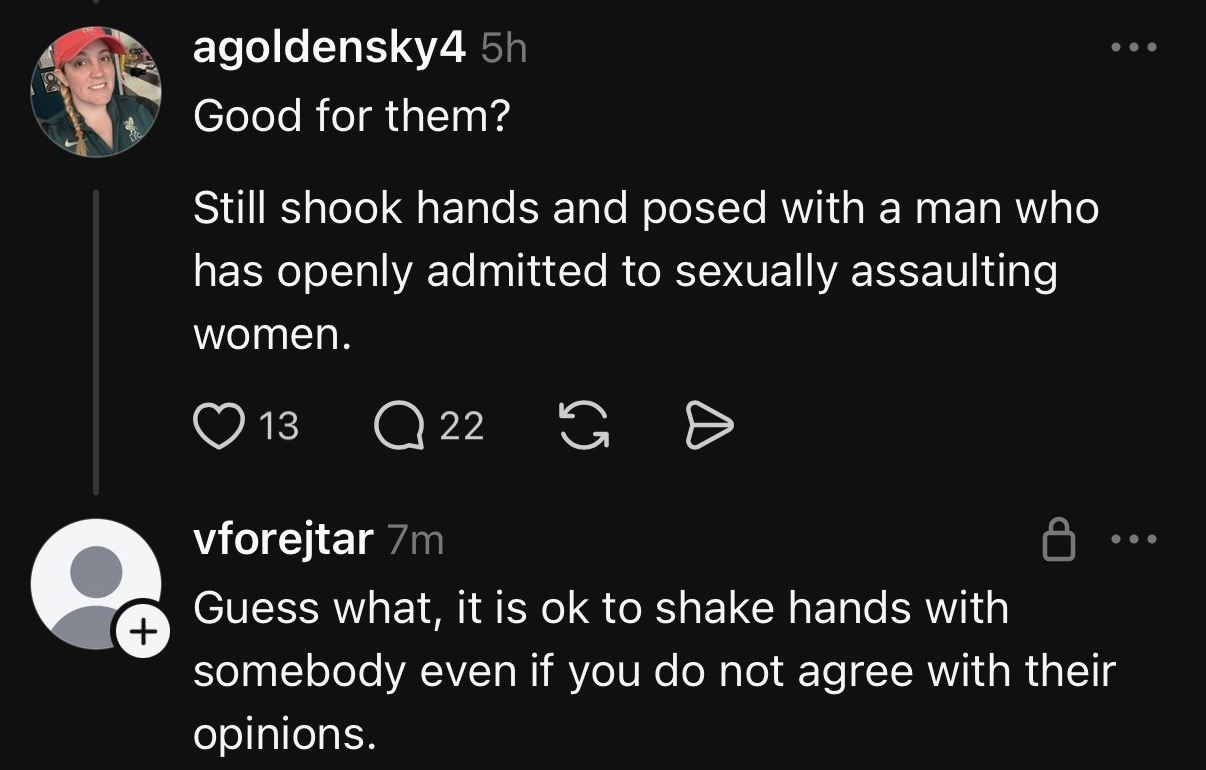
Some replies were predictable: people quoting the players’ statements, or their families’ defenses, downplaying the issues people were talking about.
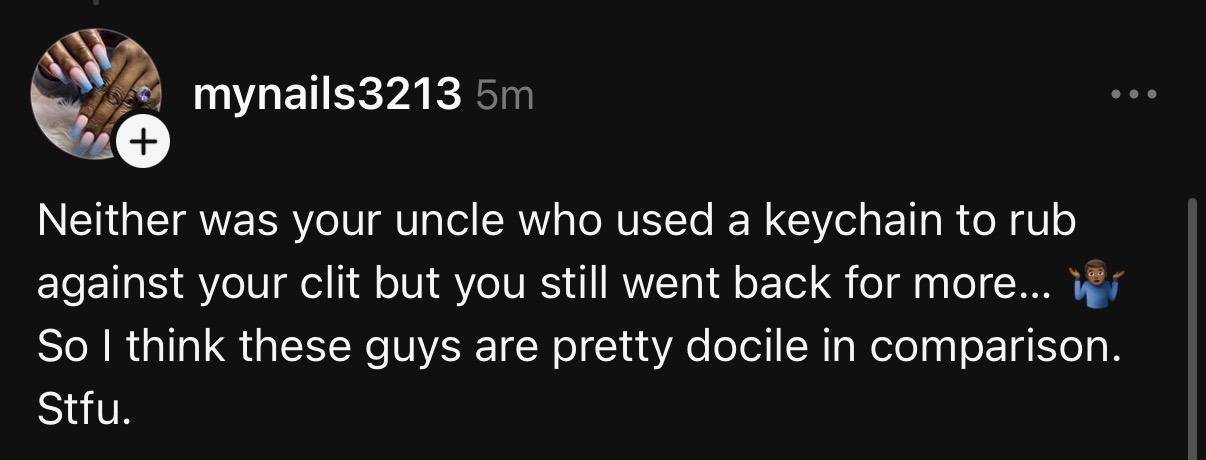
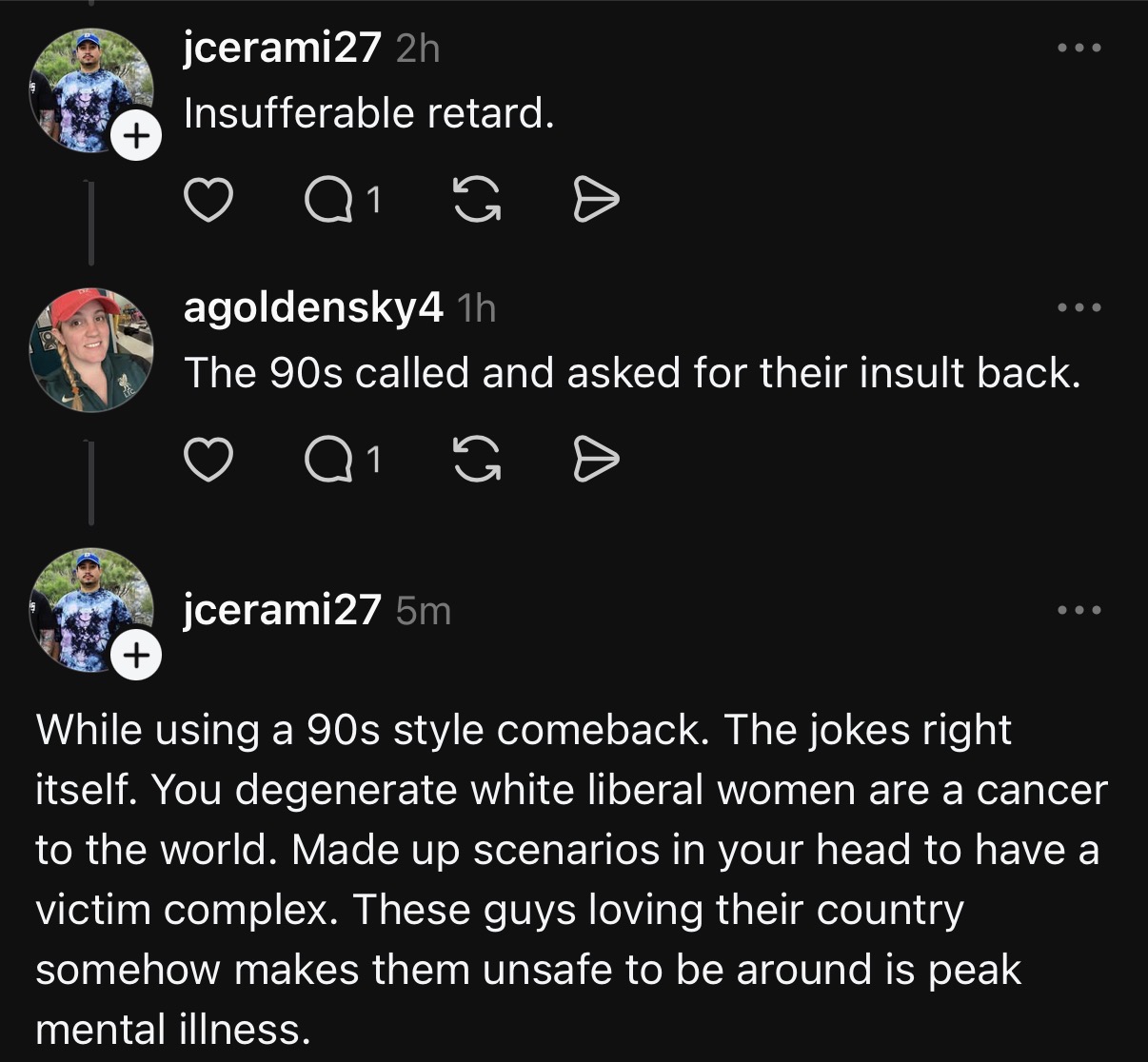
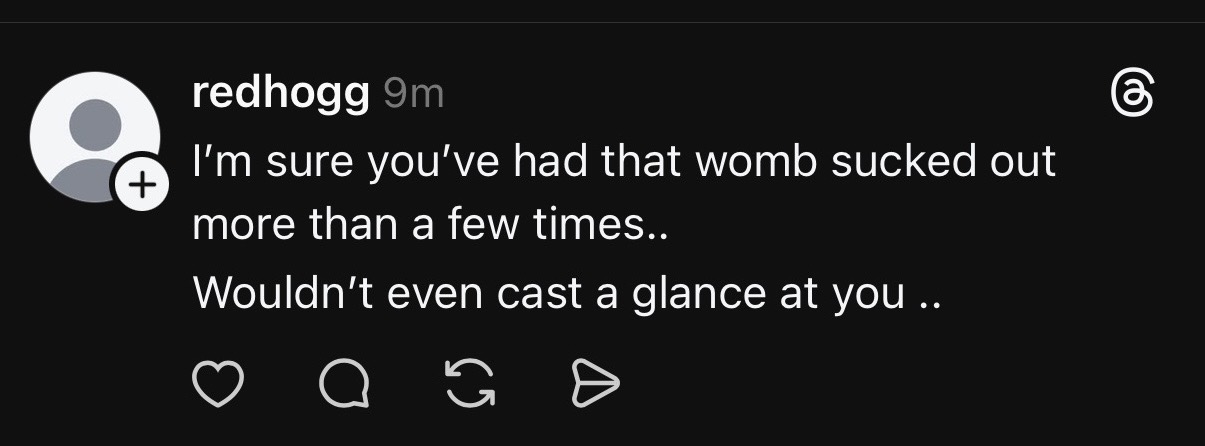
Others were uglier. People told me I shouldn’t worry about safety because I’m “too ugly to rape.” Some got graphic. Some got specific. Some were clearly enjoying the cruelty.
And that’s the point.
Those responses don’t appear in a vacuum. They thrive in environments where misogyny is treated as humor, where women’s discomfort is treated as overreaction, and where powerful men model that it’s acceptable to belittle women publicly and refuse to acknowledge it afterwards.
By laughing in that room. By posing for the photo ops. By refusing to name what was missed. They didn’t just make a “choice” for themselves… they helped set the tone for what fans would feel entitled to do next.
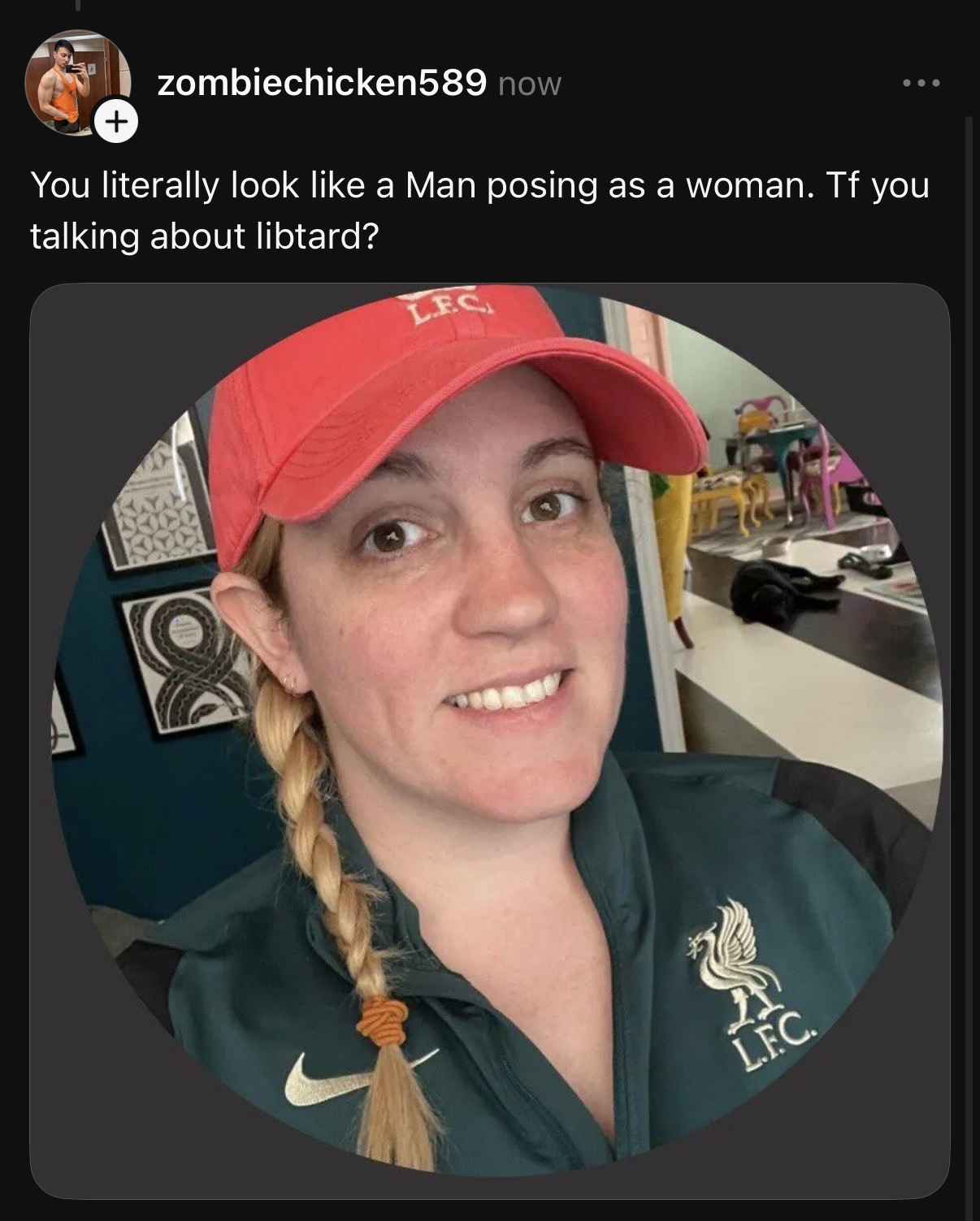
The sexism, harassment, degradation, transphobia, and unhinged cruelty so many of us received is only a tiny sample of what’s thriving in arenas, in locker rooms, and across the internet.
Unfortunately, as a woman online who loves sports, gaming, and other nerdery, I’m used to it.
I’m just tired of being told it’s normal. Because it doesn’t have to be.
Below you’ll see just a few examples of what people feel comfortable saying because they disagreed and took offence to my post. And when I turned off my comments, they flocked to other posts and other platforms to continue their harassment.


 Down the Wing
Leave a comment